Finding My Balance: A Personal Journey
As both a high school teacher and martial arts instructor at Transform Martial Arts in Hawthorne, NJ, the rhythm of my year follows a unique pattern. When summer break finally arrives, I exhale that long-held breath of relief that educators know all too well. Each August, we close our dojang for one week—a time I’ve always designated for restoration before the new school year begins.
This August, our life skill focus will be “balance”—being centered and focused in all aspects of life. It’s fitting, because every summer I find myself meditating on this very concept. Despite having more time off, I’ve noticed a troubling pattern: I simply fill those extra hours with more work. Even when I prioritize sleep, something still feels depleted. I sleep, but don’t recover. I rest, but don’t feel restored.
The ancient principle of yin and yang teaches us about complementary forces—the balance of opposing energies. Work and rest should function this way too, each supporting and enhancing the other. But in our achievement-driven society, we’ve elevated “hustle” while diminishing the sacred importance of true restoration.
While scrolling on social media last week, I came across a post that a friend shared about how discovering different types of rest completely transformed his life. As someone dedicated to holistic development through martial arts training, this immediately caught my attention. Could this be the missing piece in my quest for balance?
My curiosity led me to discover Dr. Saundra Dalton-Smith, a Board-Certified internal medicine physician who developed a revolutionary concept of seven distinct types of rest. After experiencing burnout herself while balancing her medical career with raising toddlers, she began researching why traditional rest wasn’t enough to fully restore her energy.
Her findings illuminated why I could sleep eight hours yet still feel exhausted—I was addressing only one type of rest while neglecting six others. This discovery has been transformative, bringing new meaning to how I approach both recovery and teaching martial arts in Hawthorne.
In this two-part series, I’ll share what I’ve learned about these seven types of rest and how they can transform your martial arts practice and your life. Today, we’ll explore the first four types.
The 7 Types of Rest: A Spiritual and Martial Perspective (Part 1)
1. Physical Rest
“Come to me, all you who are weary and burdened, and I will give you rest.” – Matthew 11:28
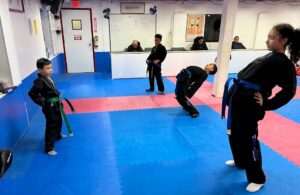
Physical rest goes beyond sleep. It includes both passive rest (sleeping, napping) and active recovery through proper stretching, massage, and deliberate relaxation. Just as we seek spiritual refuge in times of burden, our bodies require physical sanctuary after intense training.
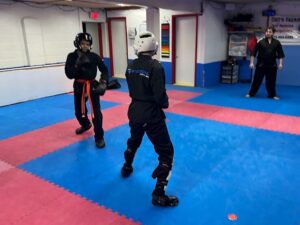
For martial artists at Transform Martial Arts, this means honoring your body’s need for recovery between sessions. When we push continuously without adequate physical restoration, we don’t just risk injury—we limit our potential for growth and mastery in taekwondo and other disciplines we teach.
2. Mental Rest
“Be still, and know that I am God.” – Psalm 46:10
Mental rest addresses the cognitive overload that comes from constant concentration, problem-solving, and decision-making. The mental intensity of learning forms, techniques, and strategy requires deliberate breaks to process and integrate knowledge.
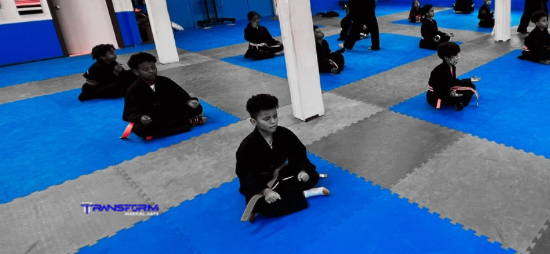
The practice of stillness—clearing your mind through meditation or simply sitting in quiet awareness—isn’t just spiritually significant but mentally restorative. Try incorporating one-minute meditation breaks between intense drills to experience the power of mental rest in improving focus and technique retention in your martial arts training.
3. Emotional Rest
“Cast all your anxiety on him because he cares for you.” – 1 Peter 5:7
Emotional rest comes from creating space to freely express feelings and release emotional burdens. Training often pushes us to emotional edges—frustration with difficult techniques, competition anxiety, or the emotional labor of leadership.
Setting healthy emotional boundaries and creating safe spaces to express authentic feelings prevents emotional depletion. In our Hawthorne dojang, emotional rest means acknowledging when you’re frustrated, celebrating victories without reservation, and being honest about your martial arts journey. This emotional intelligence is central to the self-confidence we aim to build in all our students.
4. Social Rest
“As iron sharpens iron, so one person sharpens another.” – Proverbs 27:17
Social rest involves distinguishing between relationships that revitalize us and those that drain us. The dojang is a social environment, and balancing the energy of community training with time for solitary practice creates social restoration.
This scripture reminds us that the right social connections strengthen us, while the wrong ones can deplete our energy. Surrounding yourself with supportive training partners rather than toxic competitors elevates everyone’s growth and provides the social rest needed for sustained progress. This supportive community is what makes Transform Martial Arts in Hawthorne special.
Coming Next Week: The Remaining Types of Rest
Next week, we’ll explore the final three types of rest—Sensory, Creative, and Spiritual—and practical strategies for implementing them into your martial arts practice and daily life here in Hawthorne.
Until then, I encourage you to reflect on these first four types. Which one resonates most with you? Where might you be experiencing a deficit? Small adjustments in how you approach rest can yield tremendous results in your energy, focus, and progress in martial arts training.
Remember, true warriors understand that rest isn’t weakness—it’s the foundation of strength.
References
Dalton-Smith, S. (2017). Sacred Rest: Recover Your Life, Renew Your Energy, Restore Your Sanity. FaithWords.
Dalton-Smith, S. (2019, December 6). The 7 types of rest that every person needs [Video]. TEDxAtlanta. https://www.ted.com/talks/saundra_dalton_smith_the_7_types_of_rest_that_every_person_needs
All Bible verses are from the New International Version (NIV).
“Forging Strong Bodies. Building Powerful Minds. Nurturing the Warrior Spirits”